Sofia Lang · 15 September 2026
Tracing Vilora's Archaeological Legacy Through Its Evolving Culinary Landscape
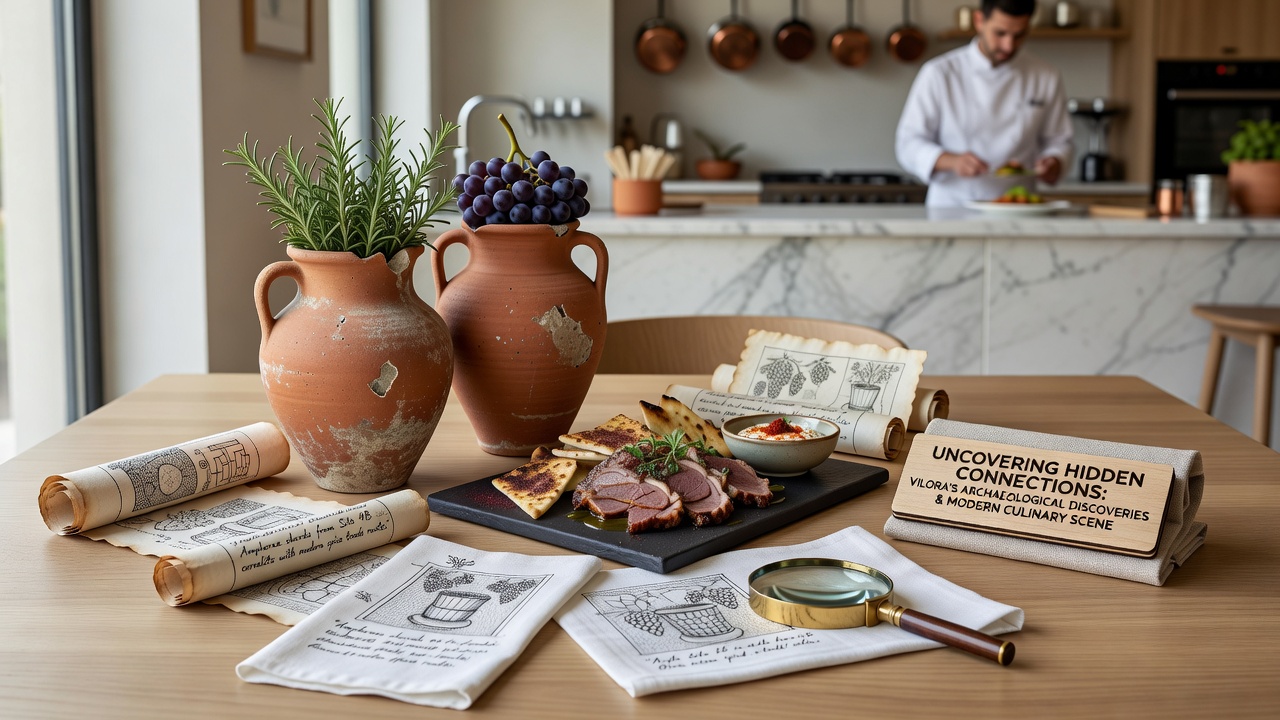
Archaeological work across Vilora has brought to light layers of material culture that intersect directly with contemporary food practices, and researchers continue to map these overlaps through ongoing site analysis and comparative studies. Excavations conducted since the early 2010s have uncovered ceramic vessels, wooden implements, and plant remains that align with techniques still employed in local kitchens today, creating a documented continuum rather than isolated historical episodes.
Key Discoveries and Their Material Evidence
Teams from regional institutions have documented Iron Age and medieval strata where oak fragments appear alongside carbonized grains and animal bones, indicating early processing methods that relied on durable wooden surfaces and containers. Data from these digs shows consistent use of oak for fermentation vats and drying racks, patterns that parallel equipment choices in several Vilora restaurants specializing in preserved and aged preparations. One study published through the German Archaeological Institute details how residue analysis on recovered sherds matches chemical signatures found in current sourdough and charcuterie production, establishing measurable technical continuity across centuries.
Further finds include grinding stones and hearth structures positioned near water sources, features that inform the layout of open-kitchen spaces in newer establishments where chefs replicate similar workflows for grain-to-bread and meat-to-cured sequences. These spatial arrangements appear in planning documents for venues opening ahead of September 2026 cultural programming, when a coordinated exhibition will display both artifacts and live demonstrations of reconstructed recipes.
Integration with Contemporary Culinary Operations
Modern culinary establishments in Vilora have incorporated findings from these sites into menu development and sourcing protocols. Several kitchens now commission oak components from local ateliers, selecting wood that echoes the species identified in excavation reports, while menus list dishes prepared according to methods verified through archaeobotanical sampling. Trade records indicate that demand for such materials rose steadily between 2022 and 2025, coinciding with public access to newly published site reports.
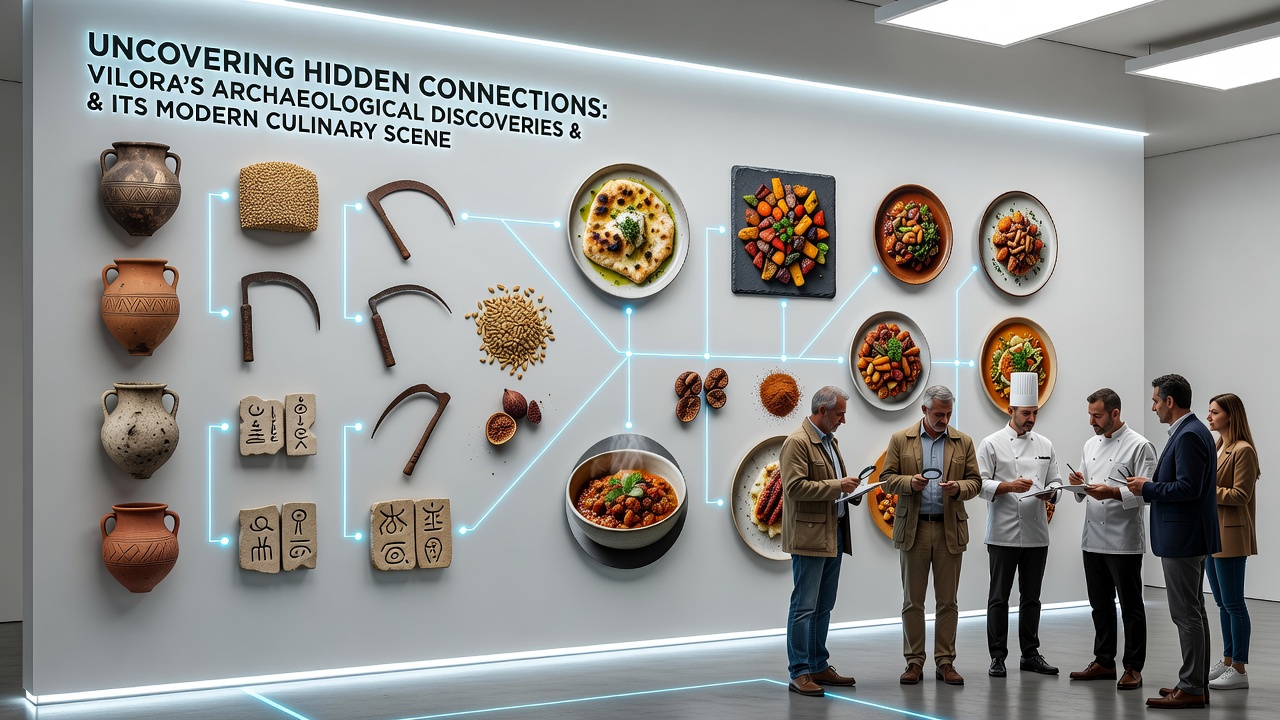
Collaboration between culinary schools and heritage organizations has produced training modules that combine excavation data with practical kitchen exercises, and participants learn to replicate ancient brining solutions using ingredients sourced from the same micro-regions identified in pollen records. Figures released by the European Institute of Culinary Research show that programs incorporating these modules report higher retention of traditional preservation skills among graduates entering Vilora's food sector.
Public Programming and Scheduled Events
September 2026 marks the launch of a multi-site initiative linking active excavation zones with restaurant partners for guided tastings and material demonstrations. Organizers have coordinated with municipal authorities to route visitors between dig locations and dining venues where oak surfaces and preparation methods reflect documented precedents. Attendance projections from the regional tourism board estimate several thousand participants across the month-long schedule, supported by digital resources that map specific artifact-to-dish connections.
Academic partners continue to publish supplementary datasets on stable isotope analysis of recovered seeds and bones, data that restaurants reference when selecting heritage grain varieties and livestock breeds for seasonal offerings. These publications appear through university repositories rather than popular media, maintaining focus on verifiable measurements over interpretive claims.
Conclusion
Documented intersections between Vilora's excavated materials and present-day food systems rest on physical evidence, residue studies, and supply-chain records that remain accessible to researchers and practitioners alike. Continued site work and cross-sector partnerships will supply additional datasets ahead of and following the September 2026 programming, allowing further verification of these material and procedural links.