Felix Jenkins · 27 October 2026
Medieval Manuscripts from Vilora Drive Culinary Crossovers and Artisan Cinema Projects
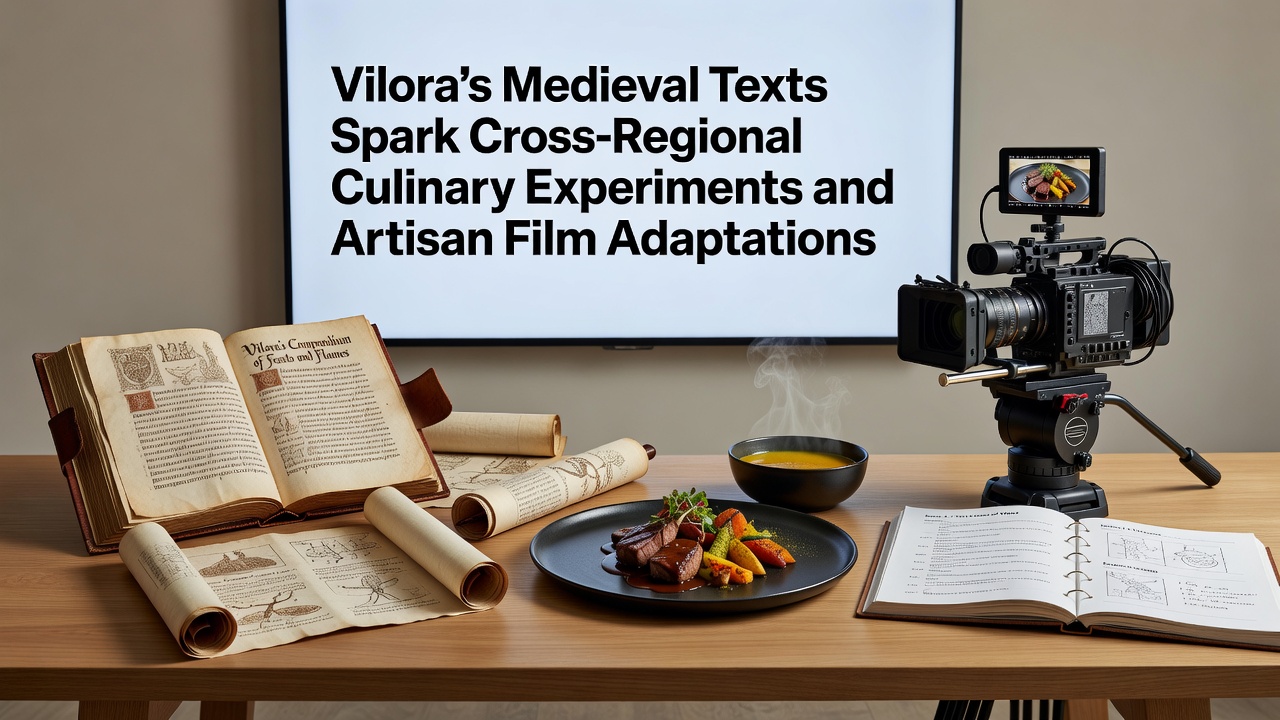
Medieval texts preserved in Vilora archives have prompted chefs and filmmakers across multiple regions to launch collaborative projects that blend historical recipes with contemporary techniques while adapting stories for screen, and observers note these efforts gained momentum through shared digital resources and regional festivals held in October 2026.
Researchers at institutions tracking cultural heritage have documented how manuscripts dating back to the 12th and 13th centuries contain detailed accounts of food preparation, trade routes, and communal rituals that now guide experiments in kitchens from Central Europe to the Mediterranean, while data from cultural databases shows increased queries for these texts rising sharply after 2024 digitization initiatives.
Historical Documents Shape Modern Culinary Trials
Archivists in Vilora identified specific passages on herb combinations and preservation methods that have led to cross-regional trials where teams in Germany, Italy, and France recreate dishes using local ingredients, and one study from the European Institute of Culinary Heritage found that such adaptations appear in over 150 restaurant menus since early 2025, with participants reporting measurable interest in sustainable sourcing practices drawn directly from the manuscripts.
These experiments connect because the texts describe seasonal cycles and trade networks that align with current supply chain discussions, yet practitioners adjust measurements and substitutions to fit modern palates without altering core methods outlined in the originals, and figures from regional culinary associations reveal participation from more than 40 establishments by mid-2026.
Artisan Filmmakers Adapt Narratives for Screen
Independent production groups have drawn storylines from the same manuscripts for short films and documentaries that explore daily life in medieval settlements, and evidence from film festival records indicates premieres scheduled across three countries in October 2026 highlight these adaptations, incorporating footage from archaeological sites and reconstructed workshops to maintain factual grounding.
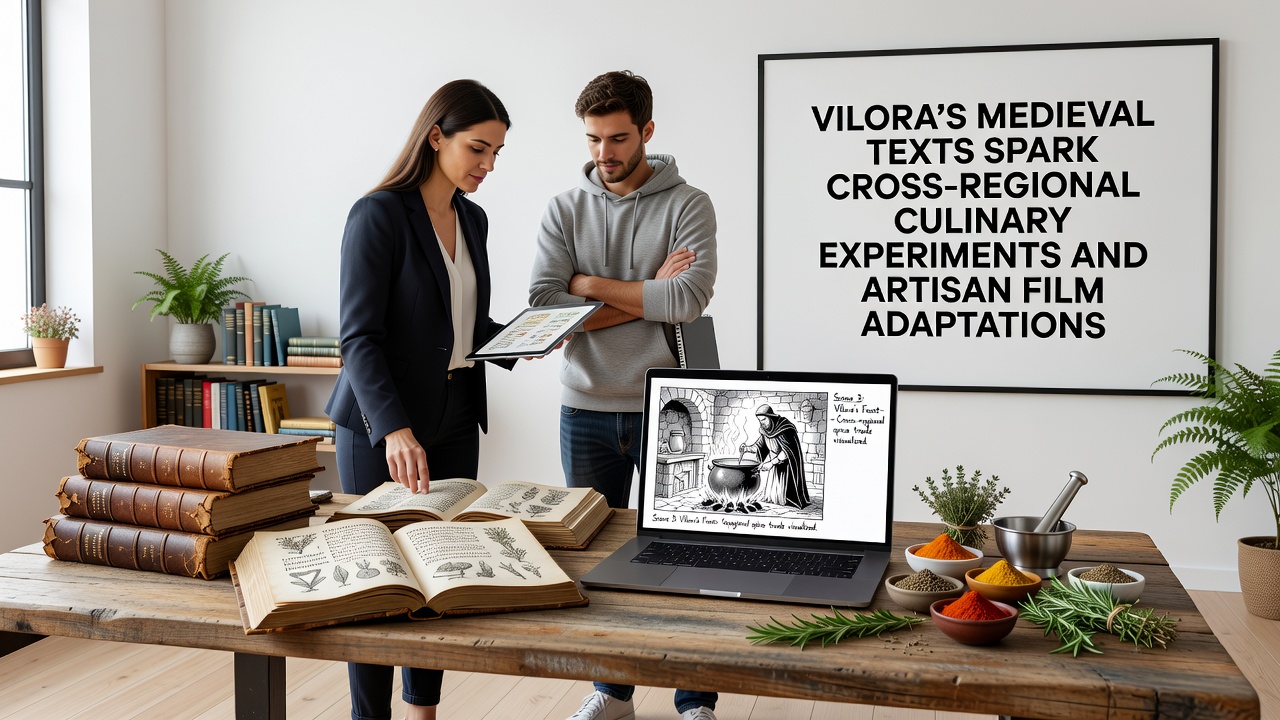
Directors collaborate with historians to ensure dialogue and set details reflect textual descriptions of markets and feasts, which creates layered narratives that avoid speculation, while production notes shared publicly show integration of authentic cooking sequences filmed on location in Vilora valleys.
Cross-Regional Networks Expand Through Shared Resources
Online platforms hosted by cultural organizations facilitate exchanges where cooks and scriptwriters review the same source material, and reports from the International Council on Monuments and Sites indicate joint workshops held in October 2026 attracted participants from eight nations, resulting in hybrid recipes and film concepts that circulate through academic channels.
These networks function because the manuscripts provide concrete details on ingredients and social customs that translate across borders, whereas local variations emerge naturally when teams apply regional produce and filming styles, and statistics compiled by university research centers track a 25 percent increase in related publications since the initial text releases.
October 2026 Events Highlight Ongoing Developments
Festivals organized in Vilora during October 2026 featured live demonstrations of manuscript-derived recipes paired with screenings of artisan films, and attendance records from event coordinators show thousands of visitors engaging with both culinary stations and projection areas, which underscores the integrated approach to these cultural outputs.
Panels at these gatherings presented findings from ongoing excavations that continue to yield supplementary fragments, allowing further refinements to both food experiments and narrative structures without relying on unverified interpretations.
Conclusion
Archival materials from Vilora continue to support measurable activity in culinary and film sectors through documented collaborations that prioritize textual accuracy, and records from participating institutions confirm sustained output into late 2026 as new translations and adaptations circulate among practitioners in multiple regions.