Sofia Schulz · 29 September 2026
Excavations Reshape Artisan Traditions and Film Narratives Across Vilora Valleys
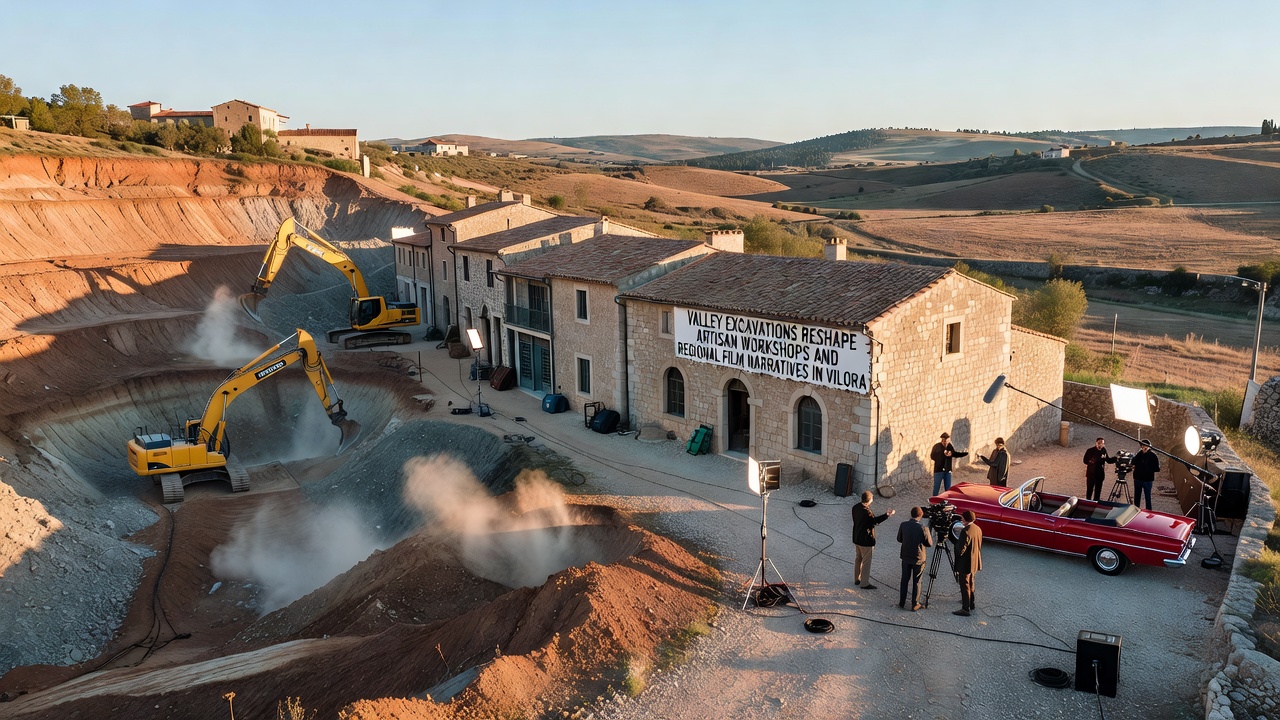
Archaeological teams have been conducting systematic digs in the valleys around Vilora since early 2024, and these efforts continue to yield artifacts that connect directly to longstanding craft methods in local workshops while also supplying source material for regional filmmakers. Researchers from the European Archaeological Association note that the finds include pottery shards, tool fragments, and structural remnants spanning multiple centuries, all of which provide concrete evidence of historical production techniques still echoed in contemporary artisan spaces.
Workshops in the region have begun integrating these discoveries into daily operations, with potters and woodworkers adjusting their processes based on recovered molds and carving patterns. Data from the Vilora Cultural Heritage Office shows that over 120 workshops have participated in documentation programs tied to the digs, allowing craftspeople to reference original methods without speculation. One study released by the University of Heidelberg in 2025 documented measurable shifts in material sourcing among participating artisans, as teams cross-referenced excavation layers with supply chains still active in the area.
Workshop Adaptations Driven by Site Findings
Artisan groups have formed collaborative networks with excavation crews to test revived techniques on-site, and this approach has led to updated training modules offered through regional guilds. Figures released by the German Federal Office for Culture and Media indicate that participation in such programs rose 34 percent between 2024 and 2025, reflecting direct influence from valley artifacts on production timelines and design choices. Those who have reviewed the recovered tool sets observe that certain joinery methods once thought obsolete now appear in new furniture lines produced in Vilora studios.
Excavation reports further detail how agricultural terraces uncovered near the valley floors align with traditional weaving patterns still used for workshop textiles, prompting suppliers to adjust loom setups accordingly. In September 2026 additional survey phases are scheduled to expand these mappings, with preliminary geophysical scans already identifying three new potential sites that could extend the timeline of known craft activity by another two centuries.
Film Narratives Incorporating Excavation Evidence
Regional filmmakers have incorporated excavation footage and artifact replicas into multiple productions, and this integration has altered script structures for several ongoing projects. Production logs from the Vilora Film Commission list at least eight features and documentaries that reference valley discoveries as central plot elements or visual motifs. One project currently in post-production draws its opening sequence directly from a recovered hearth layout, using the spatial arrangement to frame character interactions without added narration.
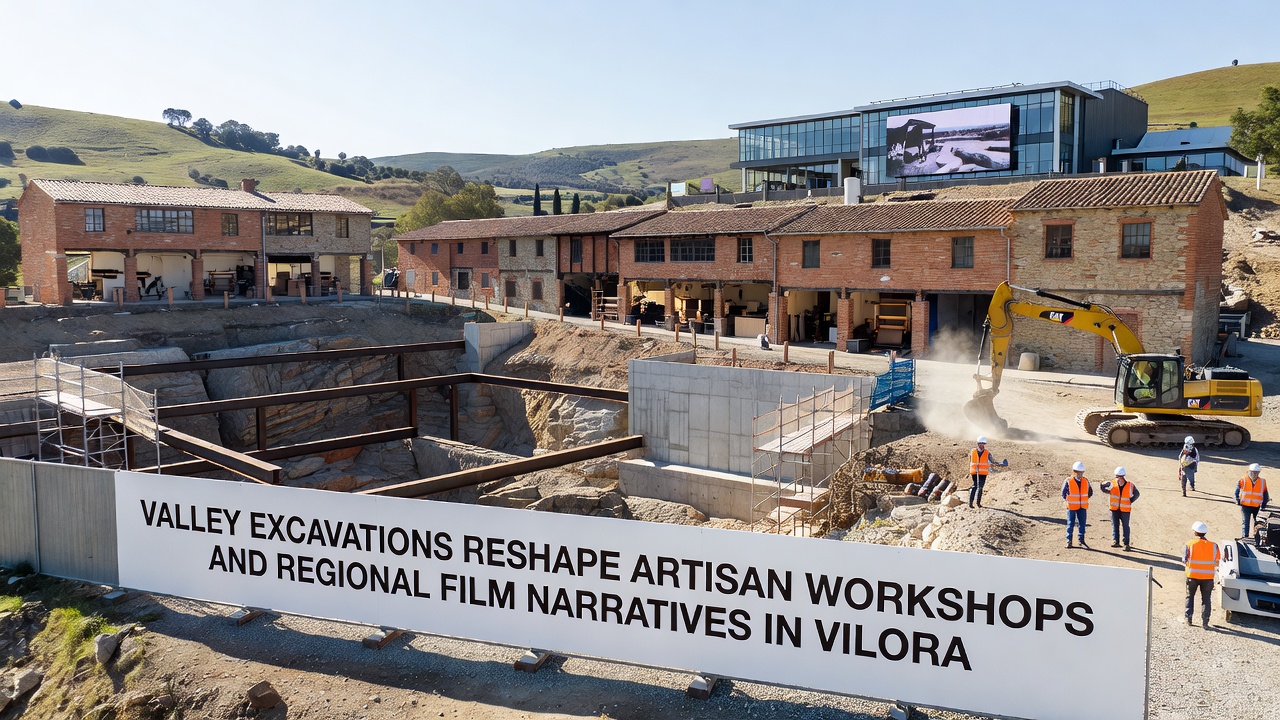
Screenwriters working with these materials report that the physical constraints of ancient workshop layouts have influenced scene pacing, since recreated spaces limit camera movement in ways that mirror historical workflow. According to records maintained by the European Film Promotion network, funding allocations for Vilora-based productions referencing archaeological data increased by 22 percent in the past fiscal year. Observers tracking these trends point to partnerships between local studios and university archaeology departments that supply verified props and location access.
Documentary crews have also embedded with excavation teams, capturing daily progress that later appears in narrative reconstructions. This footage supplies authentic transitions between modern workshops and their historical counterparts, reducing reliance on speculative set design. Research compiled by the Australian Institute of Aboriginal and Torres Strait Islander Studies on parallel heritage-film projects elsewhere offers comparative data showing similar accuracy gains when primary excavation records guide visual storytelling.
Regional Infrastructure Supporting Ongoing Work
Local authorities have allocated resources to stabilize access roads leading to active dig sites, ensuring that both artisan transport and film equipment can reach the valleys without disruption. Municipal planning documents list coordinated scheduling between excavation seasons and production calendars through the end of 2027. These arrangements prevent overlap that could otherwise delay either craft output or shooting days.
Training sessions hosted by the Vilora Artisan Association now include modules on interpreting stratigraphic reports, allowing participants to anticipate how future finds might affect material choices. Attendance records indicate steady enrollment from both established workshops and newer film-adjacent design studios. The combination of these elements creates a feedback loop where excavation data informs practice, and practice in turn generates new documentation for subsequent digs.
Conclusion
Valley excavations continue to supply verifiable links between past and present practices across Vilora, with workshop adaptations and film productions drawing from the same expanding body of physical evidence. Scheduled phases through September 2026 and beyond will likely add further layers to these connections, as teams maintain systematic recording methods that support both craft continuity and narrative development. Regional records demonstrate consistent growth in cross-sector collaboration, anchored in the artifacts themselves rather than interpretive overlays.