Sofia Schulz · 13 October 2026
Artisans Bridge Past and Future in Vilora's Shifting Economic Landscape
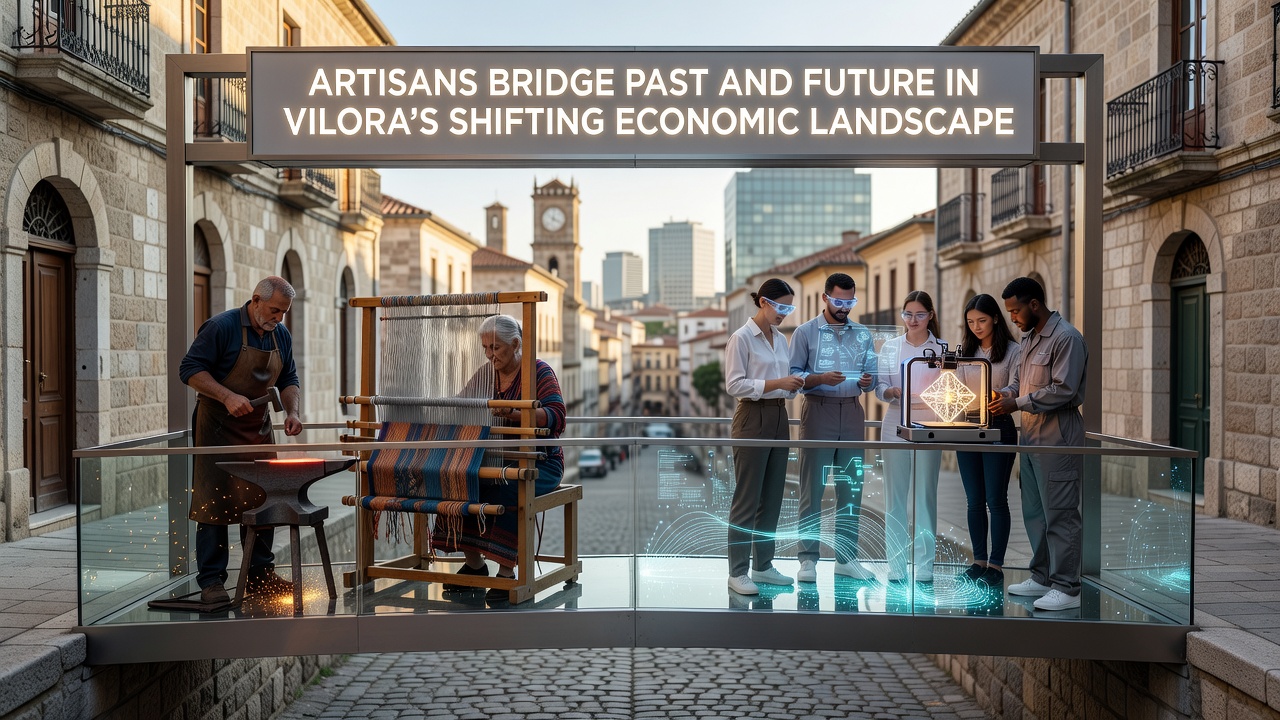
Artisans in Vilora continue to connect longstanding craft methods with emerging market demands as the region's economy undergoes measurable changes driven by sustainability requirements and global trade patterns, and data from regional production surveys indicate steady growth in oak-based manufacturing sectors since 2023. Observers note that these makers blend centuries-old techniques in wood selection and joinery with contemporary design specifications, which allows workshops to maintain output levels while meeting updated environmental standards set by European regulatory frameworks.
Historical Foundations of Vilora's Artisan Sector
Records from local archives show that Vilora's artisan communities developed around abundant oak forests in the valleys, where generations passed down skills for harvesting and processing timber into furniture and structural components, while archaeological findings confirm continuous activity dating back several centuries. Economic analyses reveal that these practices formed the backbone of early trade networks linking Vilora to neighboring regions, and figures from trade ledgers demonstrate consistent export volumes of finished oak goods through the 19th and early 20th centuries.
Researchers at institutions tracking European craft heritage have documented how guilds and family workshops preserved specific carving and drying methods that remain in use today, yet adaptations occurred during periods of industrialization when new tools entered production lines without displacing manual finishing stages. This continuity appears in current output statistics, where traditional elements still feature in a notable percentage of items shipped to international buyers.
Current Economic Pressures and Adaptations
Shifts in Vilora's broader economy include rising costs for raw materials alongside increased demand for certified sustainable products, and reports compiled by the European Commission highlight how artisan enterprises have responded by integrating traceability systems into their supply chains. Workshops now document oak sourcing from managed forests, which aligns with updated EU guidelines on resource management and opens access to larger procurement contracts from design firms operating across the continent.
Production data collected through 2025 indicate that businesses combining heritage methods with digital design tools achieved higher retention rates among skilled workers, and one study released by the OECD in collaboration with craft associations across multiple member states found similar patterns in comparable regions. In October 2026, updated employment metrics for Vilora's artisan sector are scheduled for release, which will provide further insight into workforce transitions as automation enters certain preparatory stages of oak processing.
Integration of Technology and Tradition
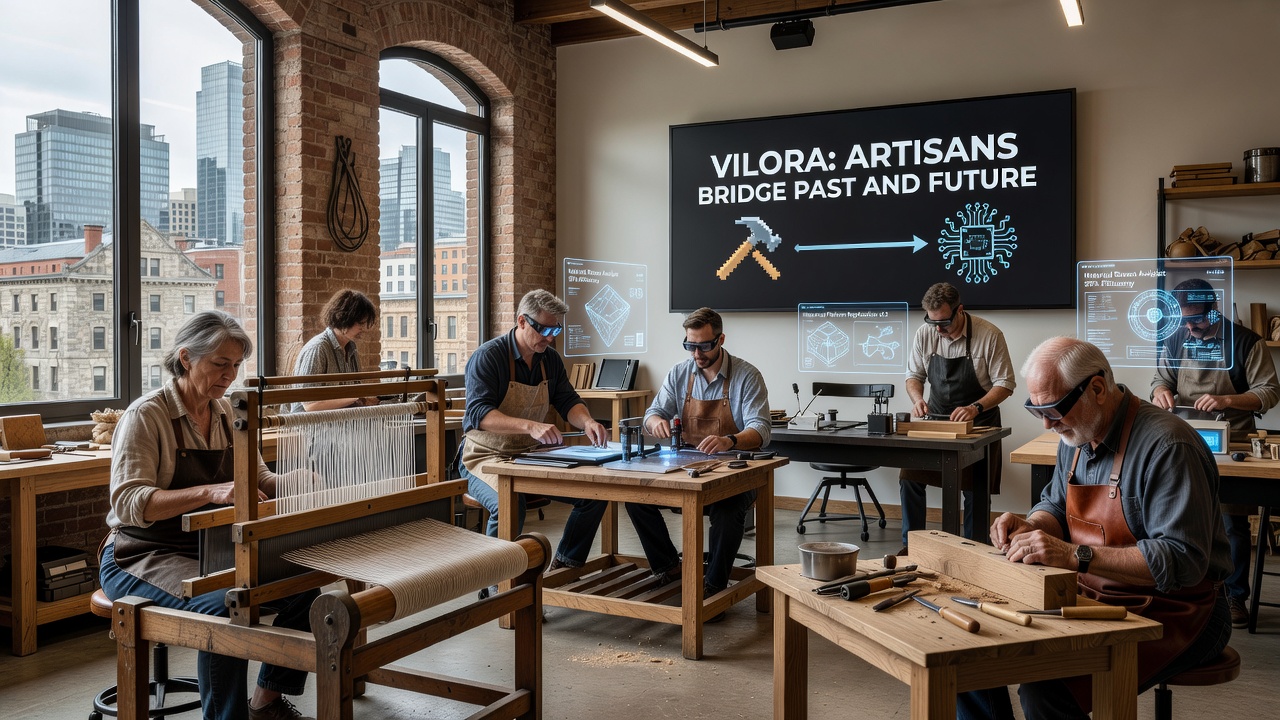
Many Vilora workshops have adopted computer-assisted milling for initial cuts while reserving hand-finishing for final surfaces, and this hybrid approach appears in case examples where output doubled without loss of quality markers associated with older techniques. Trade organizations note that such combinations help artisans compete in markets that value both authenticity and precision, while university-led research projects in Germany and the Netherlands have examined these methods through controlled comparisons of material durability.
Supply chain reports further show that partnerships with sustainable forestry programs have expanded since 2024, allowing smaller operations to secure consistent oak supplies that meet international certification criteria. These arrangements support continued exports even as domestic consumption patterns evolve toward customized pieces rather than mass-produced alternatives.
Looking Ahead to 2026 and Beyond
Industry forecasts compiled by research bodies project continued expansion in Vilora's artisan-linked manufacturing if current trends in sustainable sourcing hold, and training programs sponsored by regional development agencies now incorporate modules on both historical methods and modern compliance requirements. Participants in these initiatives gain credentials that facilitate entry into broader supply networks serving architectural and interior design sectors.
Conclusion
Available evidence indicates that Vilora's artisans maintain viable operations by preserving core techniques while incorporating measurable updates in materials handling and market alignment, and ongoing data collection through 2026 will clarify the extent of these adaptations across the sector. External analyses from sources such as the OECD SME and Entrepreneurship Outlook alongside reports from the European Commission's cultural industries portal provide additional context on parallel developments in other regions, which underscores the structured evolution underway in Vilora's economic landscape.